The Prototype Is Not the Proof
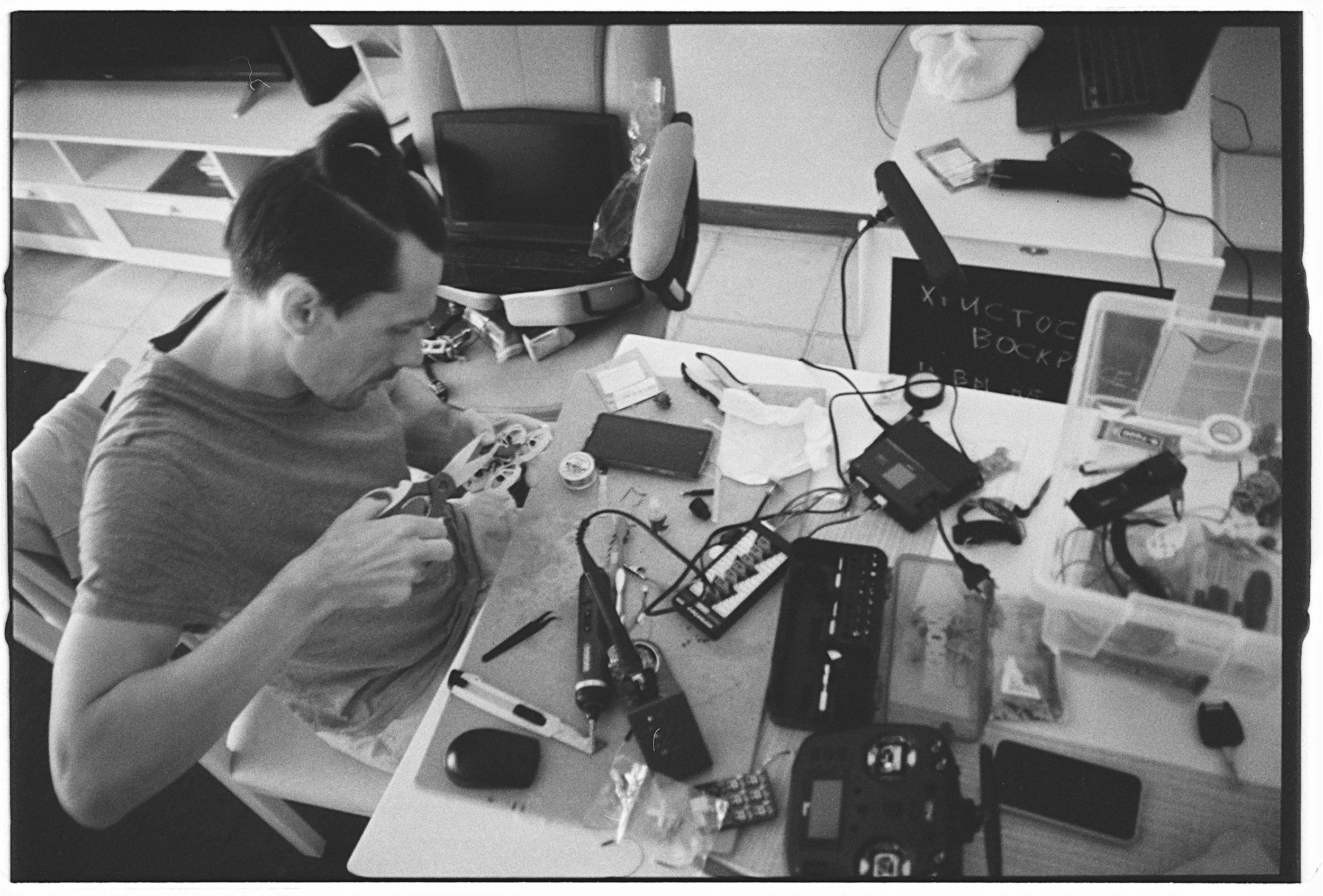
Prototype Testing
A prototype is an important point in the development of an invention, but it is not the point at which all of the important questions have been answered. It demonstrates that something can be made, or that a particular part of an idea can work under particular conditions. What it does not necessarily demonstrate is that the invention is ready to become a product.
This distinction matters because it is easy to become attached to the prototype itself. Once an inventor has spent considerable time and money turning an idea into something tangible, improving the prototype can feel like progress. Sometimes it is. Sometimes the inventor is simply making the same prototype better without learning anything new about whether the underlying opportunity is viable.
The useful question is therefore not simply whether the prototype works. It is what the prototype was built to establish.
An early prototype might exist to determine whether a mechanism operates as intended. A later version might be built to test usability, durability, materials, manufacturing methods, or a particular technical constraint. A prototype used for demonstration may be quite different from one intended to generate evidence about how the eventual product will perform. Each serves a different purpose, and treating them all as though they provide the same kind of proof can create problems further along the development path.
This is particularly important when an inventor begins moving from invention into product development. A prototype can demonstrate technical feasibility without demonstrating that customers want the product. It can demonstrate that a product can be assembled without demonstrating that it can be manufactured economically at scale. It can perform successfully in controlled conditions without establishing how it will perform when used repeatedly, by different people, in the environments for which it is intended.
None of this makes the prototype less valuable. It makes its value more specific.
The strongest development process is one in which each stage is used to answer the questions that matter at that stage. If a prototype is being built to resolve a technical uncertainty, then the result should tell you something about that uncertainty. If the next version is intended to test how people interact with the product, then the design of that test needs to allow you to learn something about use rather than simply produce a more polished object.
This also changes the way an inventor should think about failure. A prototype that reveals that a mechanism does not work as expected may have provided considerably more useful information than a prototype that looks impressive but has not tested any meaningful assumption. Discovering a problem early gives the inventor an opportunity to change direction while the cost of doing so is still manageable.
There will eventually be a point at which the prototype needs to become a product, but that transition involves more than making the prototype look finished. It requires understanding what has actually been demonstrated, what remains uncertain, and what evidence is needed before the next commitment of time and money makes sense.
The prototype is therefore not the proof that an invention is ready. It is part of the process of finding out what is true about the invention.
For an inventor, that distinction can save a great deal of unnecessary development. The goal is not to keep building until the prototype looks convincing. The goal is to keep learning until the important questions have been answered well enough to make the next decision.